
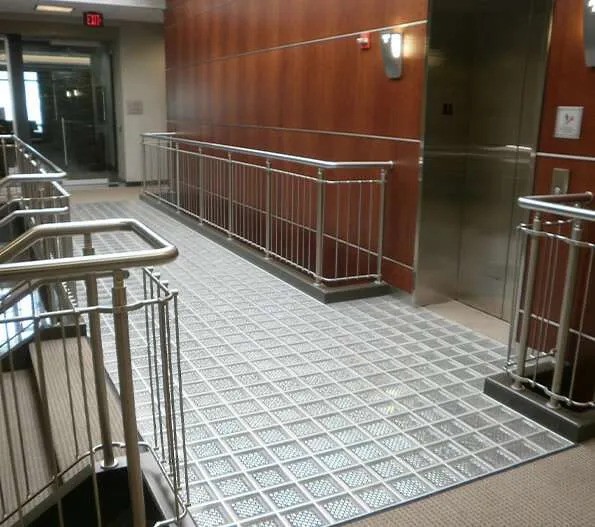
In modern architecture, the quest for natural light often stops at the walls. However, the floor is an equally valuable surface for light transmission. Integrating a glass paver system into your design allows you to reclaim dark spaces by funneling sunlight through horizontal surfaces. Whether used in an outdoor patio or an indoor mezzanine, these durable components bridge the gap between structural necessity and aesthetic brilliance. By choosing the right materials, you can transform a dim basement or a shadowed walkway into a bright, inviting environment.
The Versatility of Glass Pavers
Architects and homeowners are increasingly turning to glass pavers because they offer a unique combination of transparency and strength. Unlike standard glass panes, these units are designed to be walked upon and can support significant weight. They serve as a functional flooring solution that does not compromise the flow of light between different levels of a building.
Residential Applications
In a residential setting, glass pavers are frequently found in garden paths, deck inserts, and even interior hallways. They provide a sleek, clean look that complements contemporary home designs. By replacing a section of a wooden deck with glass, you can illuminate the patio area directly beneath it, making the space more usable throughout the day.
Commercial and Urban Use
Commercial projects often utilize glass block pavers to enhance public squares, subway entrances, and transit hubs. In these high-traffic areas, the goal is to provide a safe walking surface while allowing light to reach underground facilities. This reduces the reliance on artificial lighting and creates a more pleasant atmosphere for commuters and pedestrians alike.
Engineering Standards for Glass Block Pavers
When selecting materials for a flooring project, it is essential to understand the technical specifications of glass block pavers. These are not decorative tiles but engineered masonry units capable of withstanding environmental stress and heavy foot traffic.
Composition and Durability of Glass Pavers
Most glass block pavers are made from high-quality soda-lime glass that has been annealed to remove internal stresses. This process makes the glass much tougher and more resistant to thermal shock. Because they are thick and solid, they can handle the weight of multiple people without any risk of bowing or cracking.
Impact Resistance
Safety is the most important factor in any horizontal glass installation. Manufacturers test these pavers to ensure they can survive the impact of dropped objects. The dense nature of the glass ensures that the structural integrity remains intact even in demanding environments.
Weatherproofing and Sealants
For outdoor installations, glass pavers must be set with specialized mortars or sealants. These materials are designed to expand and contract with temperature changes. Proper sealing prevents water from leaking into the structure below, which is vital for maintaining the longevity of the installation.
Design Variations for Aesthetic Appeal
Not all glass pavers are created equal. You have several options when it comes to the visual finish and the way the glass interacts with light.
Transparent vs. Obscure Finishes
Clear glass allows for maximum light transmission and a direct view through the floor. However, many people prefer a frosted or “sandblasted” finish for glass block pavers. This provides privacy for those walking above while still allowing a soft, diffused light to penetrate the space below.
Patterned and Textured Surfaces
To enhance the visual interest of a walkway, you can choose pavers with pressed patterns. These patterns can range from simple grids to complex geometric shapes. These textures help to scatter the light, creating beautiful patterns on the ground beneath the installation.
Circular vs. Square Profiles
While square units are the most common, circular glass pavers offer a more organic look. They are often used in pre-cast concrete panels to create a “polka dot” effect of light. This style is particularly popular in historic renovations where a classic, industrial feel is desired.
Installation Methods for Longevity
The success of a light-transmitting floor depends heavily on how the glass block pavers are installed. There are two primary methods used by professionals today.
Pre-Cast Concrete Panels
Many contractors prefer using pre-cast panels where the glass pavers are already set into a reinforced concrete grid. This method ensures that the spacing is perfect and the structural integrity is guaranteed before the panels even arrive at the job site. It also speeds up the installation process significantly.
On-Site Grid Systems
For custom shapes or unique architectural requirements, an on-site grid system may be used. In this scenario, a metal or mortar grid is constructed first, and the glass block pavers are placed into the openings individually. This allows for a high degree of customization but requires a skilled installer to ensure everything is level and watertight.
Managing Thermal Expansion
Because glass and concrete expand at different rates, installers must use expansion joints. These joints allow the materials to shift slightly as the weather changes. Without these joints, the pressure could cause the glass pavers to crack over time.
Safety and Maintenance Considerations
Maintaining a glass block paver installation is relatively straightforward, but there are a few key practices to keep in mind to ensure safety.
Anti-Slip Coatings
One common concern with glass surfaces is that they can become slippery when wet. To combat this, many glass pavers are manufactured with a rough, slip-resistant texture on the top surface. If you are using smooth pavers, you can apply a transparent anti-slip coating to improve traction.
Regular Cleaning Routines
Because dirt and debris can block the light, regular cleaning is necessary. A simple solution of soap and water is usually enough to keep the glass clear. It is best to avoid abrasive tools that could scratch the surface of the glass block pavers.
Performance Comparison Table
| Feature | Standard Concrete Paver | Glass Block Paver |
| Light Transmission | 0% | Up to 80% |
| Material Type | Opaque Masonry | Translucent Glass |
| Maintenance | Low | Moderate |
| Aesthetic Impact | Traditional | Modern/Innovative |
Whether you are looking to brighten a dark basement or create a stunning garden path, glass block pavers offer a durable and beautiful solution. By focusing on high-quality materials and professional installation, you can create a light-filled space that stands the test of time. The combination of structural strength and visual transparency makes glass pavers one of the most versatile materials in modern construction.