
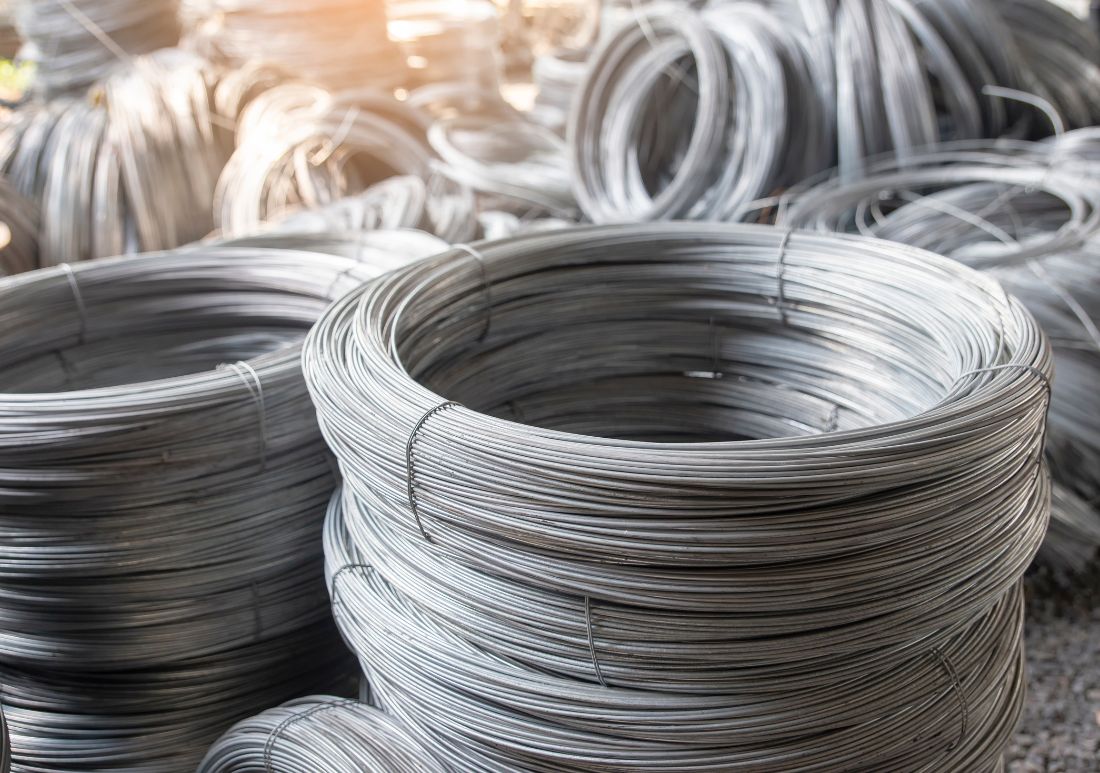
When seeking bulk stainless steel wire for your projects, it’s essential to understand that this vital material offers unparalleled strength, durability, and resistance to rust. But how do you choose the right stainless steel wire when faced with a plethora of options? This guide outlines key factors to consider, common applications, supplier evaluation, and more, helping you make a smart purchase of stainless steel wire spools.
Key Factors to Consider When Selecting Bulk Stainless Steel Wire
Material Grade
Start by examining the material grade of the stainless steel wire. Different grades have unique characteristics, each suitable for various applications. The most common grades include:
- 304 Stainless Steel: This widely used grade offers excellent corrosion resistance and formability, making it great for general applications.
- 316 Stainless Steel: Known for its outstanding resistance to corrosion, especially in marine settings, 316 is ideal for harsh chemical environments.
- 430 Stainless Steel: This less expensive ferritic grade has lower corrosion resistance. It’s suitable for applications that don’t require high strength.
Choosing the right grade depends on your project’s specific needs. For instance, during a recent project involving marine equipment, I opted for 316 stainless steel wire, ensuring superior durability in a corrosive environment.
Wire Diameter and Size of Stainless Steel Wire Wholesale
The wire diameter significantly impacts your choice. Stainless steel wire wholesale comes in various thicknesses, usually measured in gauge. Thicker wires are stronger, while thinner wires are more flexible. When selecting the wire size, consider:
- Project Needs: Assess the strength and flexibility required.
- Tool Compatibility: Make sure the wire’s diameter works with your tools and equipment.
Coating and Finish
Although stainless steel resists rust, some projects may benefit from additional coatings or finishes. Options include:
- Bright Finish: A polished surface that enhances appearance and corrosion resistance.
- Passivated Finish: A treatment that removes free iron, boosting corrosion resistance.
- Galvanized Coating: Offers extra protection against corrosion, especially outdoors.
Choosing the right finish can improve durability and performance. In my experience, a passivated finish significantly enhanced the longevity of the wire used in an outdoor installation.
Load-Bearing Capacity
Understanding the load-bearing capacity of the stainless steel wire is crucial, especially for structural uses. Each grade and diameter has specific load limits available in the manufacturer’s specifications. Always confirm that the wire can handle the weight and stress it will face in your project.
Applications of Bulk Stainless Steel Wire in Metalworking
Construction
In construction, bulk stainless steel wire is commonly used for reinforcing concrete, creating wire mesh, and fabricating custom supports. Its strength and durability make it ideal for long-lasting materials.
Automotive Industry
The automotive industry relies on stainless steel wire for components like springs, cables, and connectors. Its corrosion resistance ensures these parts perform well in varying conditions.
Manufacturing and Fabrication of Stainless Steel Wire Spools
Manufacturers use stainless steel wire spools to create products such as wire baskets, shelving units, and custom metalwork. The versatility allows for various fabrication methods, including welding, bending, and cutting.
Medical Applications
In medicine, stainless steel wire is essential for making surgical instruments, implants, and other equipment. Its biocompatibility and corrosion resistance make it suitable for sterilization needs.
Arts and Crafts
Artists and hobbyists use bulk stainless steel wire for sculptures, jewelry, and other crafts. Its flexibility and strength enable intricate designs and durable creations. I’ve personally created several sculptures using stainless steel wire, and its ability to hold shape while remaining flexible is unmatched.
Evaluating Supplier Quality: What to Look For
Reputation and Experience
When sourcing stainless steel wire wholesale, choose a supplier with a solid reputation. Look for companies with years of experience and positive customer reviews. A reputable supplier has a history of delivering quality products.
Certifications and Standards
Verify that your supplier complies with industry standards and holds relevant certifications like ASTM A313 for stainless steel wire. These indicate adherence to quality management practices, ensuring product consistency.
Sample Availability
Before making a bulk purchase, ask if the supplier can provide samples of their stainless steel wire. This lets you evaluate the quality, gauge, and finish before committing to a large order.
Customer Support
A reliable supplier should offer excellent customer support. They should answer your questions about product specifications, delivery timelines, and return policies. Good communication is essential for a successful partnership.
Cost vs. Quality: Finding the Right Balance
Understanding Price Variability
Prices for bulk stainless steel wire can vary widely based on grade, diameter, and supplier. While it may be tempting to choose the cheapest option, consider the long-term implications. Low-quality wire may lead to increased maintenance costs or failures.
Evaluating Total Cost of Ownership
Focus on the total cost of ownership, not just the initial price. This includes:
- Durability: Higher-quality wire lasts longer, reducing replacements.
- Performance: Investing in better wire enhances project results, minimizing future issues.
- Maintenance: Quality wire requires less upkeep, saving you time and effort.
Budgeting for Quality Materials
If your budget is tight, prioritize quality where it matters most. For crucial components, investing in high-quality stainless steel wire is vital, even if it means cutting costs elsewhere.
Common Mistakes to Avoid When Buying Bulk Stainless Steel Wire
Overlooking Specifications
A frequent mistake when purchasing stainless steel wire wholesale is overlooking specifications. Understand the required grades, diameters, and finishes for your project. Ignoring these details can lead to compatibility issues and delays.
Ignoring Supplier Credentials
Choosing a supplier based solely on price can backfire. Always assess the supplier’s credentials, including experience, certifications, and customer feedback. A reputable supplier is more likely to provide quality products and support.
Neglecting to Compare Options
Don’t settle for the first supplier or product you find. Take time to compare different suppliers, grades, and prices. This research can help you find the best deal and quality for your needs.
Not Considering Future Needs
Think about future projects when buying bulk stainless steel wire. Purchasing larger quantities can save money, but ensure you have storage space and that the wire will meet future requirements.
Tips for Storing and Maintaining Your Stainless Steel Wire
Proper Storage Conditions
Store bulk stainless steel wire correctly to maintain quality. Here are some tips:
- Dry Environment: Keep the wire in a dry area to prevent moisture, which can cause corrosion.
- Avoid Direct Sunlight: Limit exposure to sunlight, which can degrade the finish.
- Proper Racking: Use racks or shelves to keep wire off the ground, reducing damage risk.
Regular Inspections
Inspect your stored stainless steel wire regularly. Look for signs of corrosion, damage, or other issues. Early detection helps address problems before they escalate.
Cleanliness
Maintain a clean storage area free of debris that could damage the wire. If the wire gets dirty, wash it with mild detergent and water, then dry it thoroughly to avoid corrosion.
Handling Precautions
Use gloves when handling stainless steel wire to protect both the wire and your hands. Avoid dragging the wire across rough surfaces to minimize scratches.
| Factor | Description | Importance |
| Proper Storage Conditions | Keep wire dry, avoid sunlight, and use proper racking. | Prevents corrosion and maintains quality. |
| Regular Inspections | Check for signs of corrosion and damage periodically. | Early detection of issues helps avoid larger problems. |
| Cleanliness | Maintain a clean storage area and clean the wire as needed. | Reduces the risk of damage and corrosion. |
| Handling Precautions | Use gloves and avoid dragging wire across rough surfaces. | Protects both the wire and the handler from injury. |
| Documentation | Keep records of specifications and supplier details. | Ensures informed decisions for future purchases. |
Selecting the right bulk stainless steel wire for your projects requires careful consideration of factors like material grade, diameter, and supplier quality. By understanding applications, evaluating costs versus quality, and avoiding common mistakes, you can make informed decisions that enhance your project success. Additionally, proper storage and maintenance will ensure your stainless steel wire remains in excellent condition for years.
Investing in quality stainless steel wire is essential for achieving outstanding results, whether in construction, manufacturing, or any industry that demands reliable materials.