
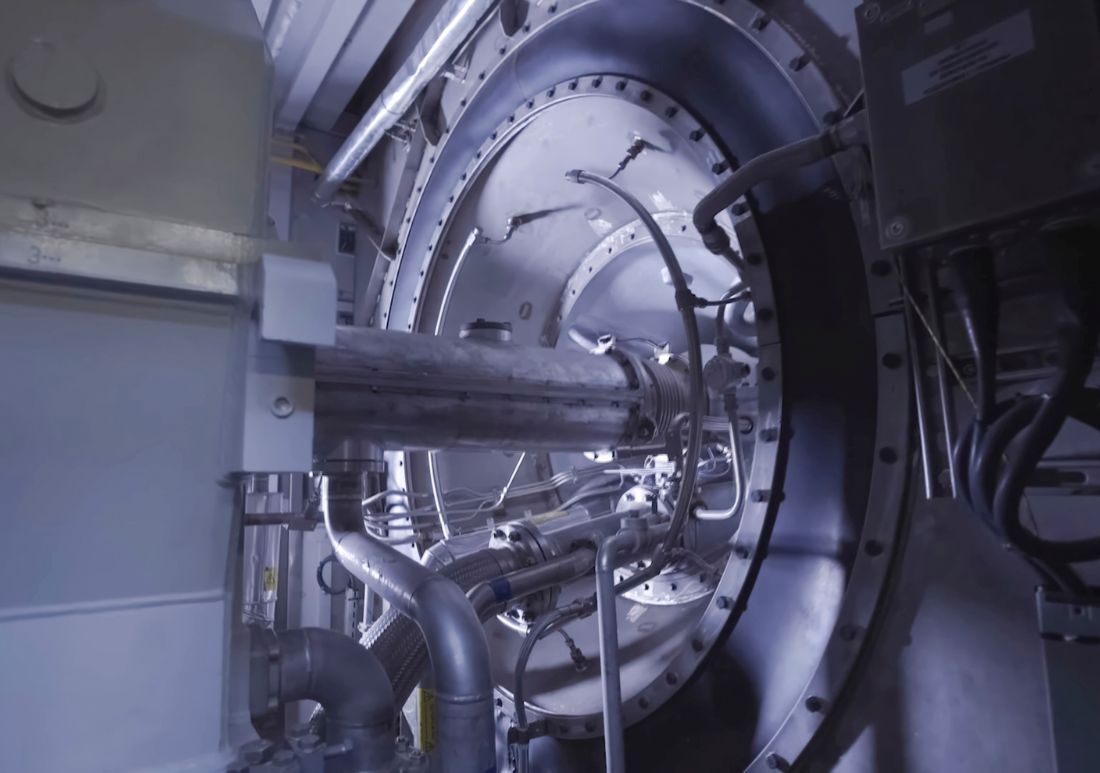
In the high-pressure world of aviation and power generation, the ability to monitor internal heat with absolute precision is the difference between peak efficiency and catastrophic mechanical failure. Gas turbine exhaust thermocouples are the primary sensory instruments used to measure Exhaust Gas Temperature (EGT), providing the critical data necessary to manage the thermal limits of the engine. Whether it is a thermocouple in jet engine applications or a stationary thermocouple in gas turbine power plants, these sensors operate in some of the most punishing environments on earth. They must withstand supersonic airflows, high-frequency vibrations, and extreme chemical corrosion—all while delivering millivolt-level accuracy. In this guide, we will explore the engineering behind these specialized sensors, their role in preventing engine damage, and the best practices for maintaining these vital safety components.
The Vital Function of Gas Turbine Exhaust Thermocouples
The primary role of gas turbine exhaust thermocouples is to provide real-time feedback on the combustion process. Because the temperature of the exhaust gases directly reflects the health of the engine’s internal components, any deviation from the norm serves as an early warning signal.
Monitoring Thermal Stress and Limits
Every turbine has a maximum allowable EGT. If the temperature exceeds this threshold, it can lead to “hot starts” or “thermal creep,” where the turbine blades begin to deform or melt. By utilizing highly responsive gas turbine exhaust thermocouples, operators can adjust fuel flow or airflow immediately to bring the engine back into a safe operating range, protecting the massive capital investment of the turbine.
Enhancing Fuel Efficiency with a Thermocouple in a Gas Turbine
Efficiency in a gas turbine is tied to the temperature of combustion. Running the engine as hot as possible without damaging the components yields the best fuel economy. A thermocouple in gas turbine systems allows for “lean” burning, where the fuel-to-air ratio is optimized based on precise temperature feedback, significantly reducing operating costs and emissions.
The Engineering Behind a Thermocouple in Jet Engine Systems
A thermocouple in jet engine environments is far more sophisticated than a standard industrial probe. These sensors are typically “harness” systems, consisting of multiple probes arranged in a ring around the exhaust duct to provide an average temperature reading.
Withstanding High-Velocity Airflow
The air moving through a jet engine travels at incredible speeds. A thermocouple in jet engine housings must be aerodynamically designed to minimize drag while remaining rigid enough to avoid bending. These probes are often made from superalloys like Inconel or Hastelloy, which maintain their strength even at white-hot temperatures.
Managing High-Frequency Vibration
Vibration is a constant threat to electrical connections in aerospace. To combat this, gas turbine exhaust thermocouples utilize Mineral Insulated Metal Sheathed (MIMS) construction. The internal wires are packed tightly in magnesium oxide powder, which acts as a shock absorber, preventing the wires from snapping or rubbing against each other during flight or high-load operations.
Critical Roles of the Thermocouple in Gas Turbine Power Plants
For land-based power generation, the thermocouple in gas turbine systems is essential for long-term grid stability. Unlike jet engines that vary power frequently, power plant turbines often run at high loads for thousands of hours.
Detection of Blade Path Spread
One of the most important uses of a thermocouple in gas turbine monitoring is detecting “spread.” This refers to the temperature difference between different points around the exhaust circumference. A high spread often indicates a clogged fuel nozzle or a damaged burner can. By identifying these issues early, maintenance teams can perform targeted repairs before a localized “hot spot” causes a total engine failure.
Integration with Control Systems
Modern turbines use FADEC (Full Authority Digital Engine Control) or similar PLC systems. The signals from gas turbine exhaust thermocouples are fed directly into these controllers. If a sensor detects an over-temperature event, the system can automatically “trip” or throttle down the engine faster than a human operator could react, serving as an automated safety buffer.
Challenges in Maintenance and Calibration
Given the harsh conditions, gas turbine exhaust thermocouples are subject to gradual degradation. Maintaining these sensors is a core part of any turbine service schedule.
Addressing Sensor Drift and Fouling
Over time, the combustion of fuel can leave deposits on the probe, or the metallurgical structure of the wires can change due to “thermal aging.” This leads to drift, where the sensor reports a lower temperature than the actual gas. In an engine, this is particularly dangerous as it could lead to an over-temperature condition that goes undetected. Regular calibration checks against a master reference are necessary to ensure the EGT data remains trustworthy.
Ensuring Electrical Continuity
The harness connecting the probes to the engine control unit (ECU) is a common failure point. High-heat cycles can cause the connector pins to oxidize, increasing resistance and skewing the temperature signal. Technicians must inspect the leads of the thermocouple in jet engine assemblies for signs of fraying or heat damage, as a single bad connection can lead to an erroneous engine alert.
Summary of Sensor Characteristics
| Feature | Jet Engine Thermocouple | Power Plant Gas Turbine Thermocouple |
| Primary Goal | Safety during flight / Transient response | Efficiency / Long-term stability |
| Construction | Aerodynamic MIMS Probes | Heavy-duty Industrial Probes |
| Typical Arrangement | Parallel Harness Ring | Individual or Averaging Probes |
| Common Material | Inconel 600 / Type K or N | Type K, N, or R/S (Noble Metal) |
Gas turbine exhaust thermocouples are the unsung heroes of modern turbine technology. Whether providing the life-critical data for a thermocouple in jet engine flight systems or the efficiency-driving metrics for a thermocouple in gas turbine power plants, these sensors ensure that extreme heat is managed with precision. By protecting internal components from thermal damage and enabling fuel-efficient combustion, they remain one of the most vital investments in any turbine-based operation. Regular maintenance and the selection of high-grade materials for these sensors are essential to avoid the massive costs of engine failure and to ensure the safety of both equipment and personnel.