
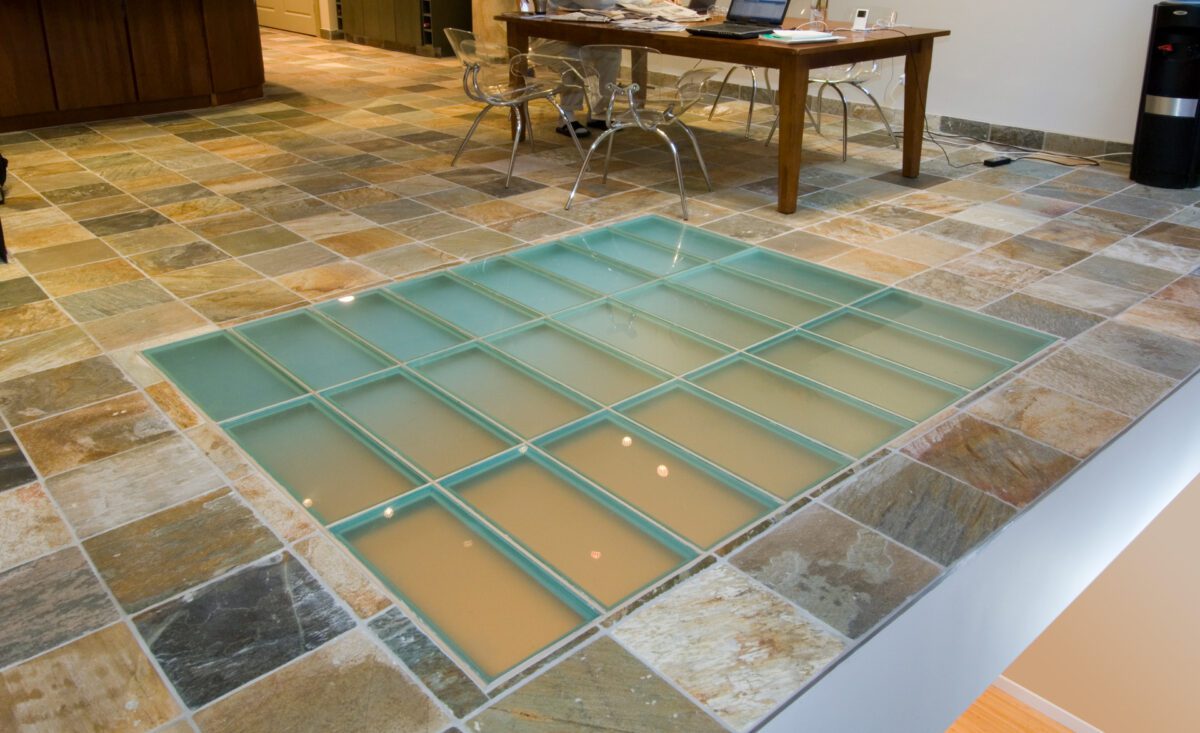
Architects and homeowners constantly seek methods to banish dark corners and maximize daylight penetration within a property. Interior glass floors act as horizontal windows, allowing light from skylights, roof lanterns, or upper-level windows to filter deep into basements or lower stories. Unlike traditional opaque flooring that compartmentalizes a home, these transparent surfaces maintain a visual connection between levels, creating an open, airy atmosphere that makes a footprint feel significantly larger.
The Aesthetic and Functional Impact of Interior Glass Floors
Installing interior glass floors fundamentally changes the spatial dynamics of a building. In many multi-story homes, the central core—often where the staircase and landings are located—suffers from a lack of natural light. By replacing a solid landing or a section of the hallway with a structural glass floor, you create a light well that channels brightness from the roof down to the ground floor.
This architectural feature serves a dual purpose: it is a stunning visual centerpiece and a practical lighting solution. During the day, it reduces the need for artificial lighting by harvesting sunlight. At night, artificial light from below glows upwards, creating a dramatic, ambient effect that highlights the modern design of the home.
Engineering a Safe Structural Glass Floor
The visual delicacy of glass often masks the immense strength required to make it walkable. A structural glass floor is a feat of modern engineering, designed to support loads that often exceed those of standard timber subfloors. Safety is the absolute priority, and the manufacturing process reflects this.
Glass Floor Residential Composition
A glass floor residential is never made of a single pane. It is constructed using a multi-laminated makeup, typically consisting of:
- Top Layer (Sacrificial Layer): This is a tempered pane designed to take the brunt of daily wear and tear. If an object is dropped and cracks this layer, the structural integrity of the floor remains safe.
- Structural Layers: Beneath the top layer are two or more panes of heat-strengthened or tempered glass.
- Interlayers: These glass sheets are bonded together using high-strength interlayers, such as SentryGlas or PVB. These interlayers hold the glass fragments together in the event of breakage, ensuring the floor remains walkable until replaced.
Support Frameworks
The glass panels must sit on a rigid support structure. Depending on the aesthetic goal, this framework can be made of:
- Steel Beams: For an industrial, minimalist look.
- Anodized Aluminum: Offering corrosion resistance and a clean finish.
- Timber Joists: To blend the glass feature into a more traditional home aesthetic.
To prevent stress concentrations that could crack the glass, the panels are set on neoprene or silicone setting blocks, ensuring that glass never touches metal directly.
Key Selection Factors for Glass Floor Residential Projects
When integrating glass floor residential elements, privacy and traction are common concerns. Selecting the right finish is critical to the long-term success of the installation.
Balancing Transparency and Modesty
For homeowners who want the light but not the clear view, there are several glass options available:
- Sandblasted or Frosted Glass: This finish diffuses light, softening the glow while obscuring visibility. It is an excellent choice for landings above living areas.
- Translucent Interlayers: Using a white or milky interlayer provides a solid appearance that glows when back-lit, offering 100% privacy while still acting as a light source.
- Patterned Glass: Textured surfaces can distort the view below, adding an artistic element to the floor.
Traction and Safety
A smooth glass surface can be incredibly slippery. For glass floor residential applications, applying an anti-slip finish is virtually mandatory to meet building codes.
| Finish Type | Grip Level | Visibility | Maintenance |
| Ceramic Frit | High | High (Clear) | Easy to clean |
| Acid Etched | Medium | Translucent | Fingerprint resistant |
| Sandblasted | Very High | Opaque | Can trap dirt |
| Sand-Fired | High | Low | Extremely durable |
Maintenance Best Practices for Interior Glass Floors
To keep your structural glass floor looking pristine and safe, a regular maintenance routine is required. Unlike hardwood, glass reveals debris and scuffs more readily.
| Maintenance Practice | Description | Frequency |
| Soft Cleaning | Use a microfiber cloth and non-abrasive glass cleaner. | Weekly |
| Gasket Inspection | Check the silicone seals around the edge for gaps or peeling. | Annually |
| Surface Audit | Inspect the top sacrificial layer for deep scratches or chips. | Bi-Annually |
| Structural Check | Ensure the metal support frame shows no signs of shifting or rust. | Annually |
Common Mistakes to Avoid
- Ignoring the “Sacrificial” Concept: Failing to use a multi-layer system where the top layer is independent can lead to a total structural failure if the top pane breaks.
- Skipping Anti-Slip Coatings: Plain glass is a major liability in homes, especially near kitchens or entryways.
- Inadequate Edge Clearance: If the glass is fitted too tightly against the frame without room for thermal expansion, the pressure will eventually cause the glass to crack.
Comparison: Glass Floors vs. Open Atriums
Homeowners often debate between installing a structural glass floor or leaving a void (atrium). While an atrium offers airflow, it significantly reduces the usable square footage of the upper level. Interior glass floors offer the best of both worlds: they preserve the floor area while still permitting light transmission. This is particularly valuable in urban renovations where square footage is at a premium.
Best Practice and Benefits Summary
| Best Practice | Description | Benefits |
| Load Calculation | Engineering the glass for 100lb/sq ft minimum. | Guarantees safety for furniture and foot traffic. |
| Thermal Breaks | Using insulated frames for exterior-facing glass. | Prevents condensation and improves energy efficiency. |
| Dimmable LED Integration | Placing lights within the support rebate. | Creates a dramatic architectural feature at night. |
Incorporating interior glass floors into a design is one of the most effective ways to modernize a property and solve daylighting issues. It requires careful planning regarding the structural glass floor engineering and thoughtful selection of finishes for safety and privacy. However, the result is a unique architectural feature that enhances the value of glass floor residential projects, blending luxury with practical function. By choosing the right specification and following a consistent maintenance schedule, you ensure a bright, safe, and spectacular addition to your home that stands the test of time.