
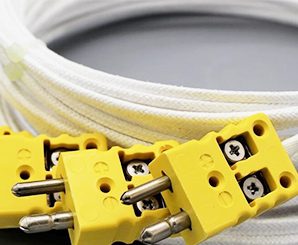
In temperature measurement, platinum thermocouples excel due to their accuracy and reliability. But what makes platinum thermocouples so effective? This article will answer that question and explore the science behind these sensors, their benefits, and how they compare to other thermocouples.
A Quick Overview of Platinum Thermocouple
What Is a Thermocouple?
A thermocouple is a temperature sensor made of two different metals joined at one end. When the junction changes temperature, it generates a voltage. This voltage can be measured and linked to temperature.
What Makes a Platinum Rhodium Thermocouple Unique?
Platinum thermocouples, especially platinum rhodium thermocouples, are famous for their accuracy and stability across a wide temperature range. These sensors are valuable in precision applications like aerospace, semiconductor manufacturing, and laboratory research.
Key Characteristics of Platinum Thermocouples
| Characteristic | Description |
| Wide Temperature Range | Operates from -200°C to 1,600°C (-328°F to 2,912°F) |
| High Stability | Resistant to oxidation and corrosion, maintaining accuracy |
| Good Linearity | Produces a relatively linear voltage output for easy calibration |
The Science of Temperature Measurement: How Thermocouple Wire Platinum Works
The Thermoelectric Effect
Thermocouple wire platinum relies on the thermoelectric effect, particularly the Seebeck effect. When two different metals connect, and their junction is heated or cooled, a voltage is generated. This voltage correlates to the temperature difference between the hot junction and the reference junction (cold junction).
Construction of Platinum Thermocouples
Platinum thermocouples consist of two wires: one made of platinum and the other typically made of a platinum alloy with rhodium. This combination improves thermoelectric properties, allowing a broader temperature measurement range.
Voltage Output and Temperature Correlation
Platinum thermocouples produce a voltage measured in millivolts. This output correlates to temperature using standardized tables or equations. Common types of platinum thermocouples include:
- Type R: 87% platinum, 13% rhodium
- Type S: 90% platinum, 10% rhodium
- Type B: 70% platinum, 30% rhodium
Calibration of Thermocouples
Calibration ensures accuracy. Platinum thermocouples often calibrate against known temperature standards, such as the International Temperature Scale. This process maintains their reliability in precise temperature measurements. Best practices for calibration include using reference junctions at stable temperatures and regularly verifying outputs against calibrated equipment.
Why Choose Platinum? The Benefits of Using Platinum in Sensors
Exceptional Accuracy and Precision
Platinum thermocouples provide reliable measurements with high precision, making them ideal for applications where small temperature variations matter.
Resistance to Oxidation and Corrosion
Platinum resists oxidation and corrosion, which is crucial in harsh environments. This durability extends the thermocouple’s lifespan, reducing the need for frequent replacements and maintenance.
Stability Over Time
Platinum thermocouples maintain remarkable stability over time. Unlike other materials that degrade with high temperatures or corrosive substances, platinum preserves its performance, ensuring consistent measurements.
Compatibility with Various Applications
Platinum thermocouples are versatile for various applications, including:
- Industrial Processes: Used in manufacturing and quality control.
- Laboratory Research: Essential for precise temperature control experiments.
- Aerospace: Critical for monitoring temperatures in engines and components.
Types of Thermocouples: Where Does Platinum Fit In?
Overview of Thermocouple Types
Thermocouples are classified into several types based on the metals used. Each type has unique properties for specific applications. Common types include:
- Type J: Iron-Constantan
- Type K: Chromel-Alumel
- Type T: Copper-Constantan
- Type E: Chromel-Constantan
Platinum Thermocouples: Types and Applications
Among these, platinum thermocouples, particularly platinum-rhodium variants, are the most accurate. They are classified as Type R, S, or B, each with specifications for ideal applications:
- Type R: High-temperature applications, like glass manufacturing.
- Type S: Commonly used in laboratories for precise measurements.
- Type B: Suitable for very high temperatures, often used in metal processing.
Comparison with Other Thermocouple Types
When compared to other thermocouples:
- Type K thermocouples are cheaper and suitable for general-purpose applications, but lack the precision of platinum thermocouples.
- Type J and Type T are used at lower temperatures and are more prone to oxidation, making them less reliable in extreme conditions.
Accuracy Matters: Factors Affecting the Precision of Measurements
Calibration and Reference Junctions
The accuracy of any thermocouple, including platinum thermocouples, relies on proper calibration and the reference junction’s temperature. Errors in these areas can cause inaccurate measurements.
Environmental Conditions
Factors like humidity, pressure, and corrosive elements can affect thermocouple performance. Platinum thermocouples are resilient in harsh environments, but it’s essential to consider these factors during installation and operation.
Wire Quality and Construction
The quality of thermocouple wire, particularly platinum thermocouple wire, significantly impacts measurement accuracy. High-quality wires with consistent diameters and compositions ensure reliable voltage readings.
Installation Techniques
Proper installation is crucial for accurate temperature measurement. Incorrect placement or exposure to drafts can lead to erroneous readings. Following best installation practices is important.
Comparative Analysis: How Do Platinum Thermocouples Stack Up?
Accuracy Comparison
Platinum thermocouples consistently outperform other types in accuracy, especially in high-temperature applications. They provide precise readings with minimal drift over time, making them the preferred choice for critical processes.
Cost Considerations
Platinum thermocouples are more expensive than other types. However, their longevity and accuracy often justify the investment. In applications where precision is vital, the cost is worthwhile.
Industry Applications
In sectors like pharmaceuticals, aerospace, and oil and gas, where temperature control is essential, platinum thermocouples are often the standard. Their reliability ensures compliance with strict industry regulations.
Platinum thermocouples are superior for temperature measurement due to their accuracy, stability, and resistance to harsh environments. Although they come with a higher upfront cost, their benefits in precision and longevity make them invaluable in critical applications. As technology evolves, the demand for accurate temperature sensors will grow, solidifying platinum thermocouples’ place at the forefront of temperature measurement technologies.
By grasping the science behind platinum thermocouples and their advantages, industries can make informed decisions that enhance process efficiency and product quality. Whether in manufacturing, research, or other applications, the reliability of platinum thermocouples remains unmatched.