
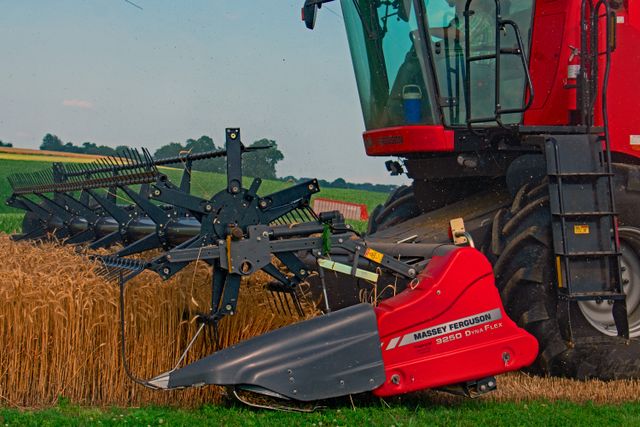
Modern farming operations depend on heavy machinery capable of withstanding relentless mechanical stress, abrasive soil conditions, extreme weather fluctuations, and corrosive chemical exposures. Agricultural equipment such as tractors, combines, sprayers, and tillage implements cannot afford unexpected downtime during peak planting or harvesting seasons. To maintain optimal field efficiency, equipment manufacturers and maintenance teams rely on custom rubber parts for agriculture to deliver reliable sealing, vibration dampening, and structural resilience. Designing and sourcing specialized elastomeric components ensures that complex hydraulic systems, electrical enclosures, and powertrain assemblies remain fully protected against moisture, dust, and premature wear.
Engineering Durability with Custom Rubber Parts for Agriculture
The operational environment inside agricultural machinery is notoriously punishing. Hydraulic cylinders operate under high pressures while exposed to abrasive mud and mineral dust. Powertrain mounts absorb continuous shock loads as heavy equipment traverses uneven fields at high operational speeds. When engineers specify custom rubber parts for agriculture, they are addressing the fundamental need for materials that resist tearing, compression set, and environmental degradation. Standard off-the-shelf catalog components rarely satisfy the exact spatial and mechanical tolerances required by specialized agricultural implements, making custom formulation and precision tooling essential for long-term reliability.
Material science plays a pivotal role in preventing component failure in the field. Elastomers utilized in agricultural machinery must endure continuous contact with petroleum-based hydraulic fluids, aggressive liquid fertilizers, pesticides, and cleaning solvents. Furthermore, external components face intense ultraviolet radiation and ozone exposure during prolonged storage in open fields. Selecting the correct polymer grade prevents hardening, cracking, and swelling, ensuring that seals, gaskets, and hoses maintain their structural integrity across multiple harvest cycles.
The Role of Agricultural Rubber in Heavy Equipment Performance
Agricultural rubber components serve as critical interfaces across virtually every major vehicle subsystem. In hydraulic circuits, specialized O-rings, rod wipers, and backup rings prevent high-pressure fluid leaks that could otherwise contaminate soil or disable vital steering and lifting functions. In cab enclosures and engine compartments, vibration-isolating mounts reduce operator fatigue by dampening low-frequency engine rumble and structural chassis resonance.
Advanced manufacturing techniques enable the production of complex geometries that integrate multiple functions into a single molded piece. For example, a specialized seed meter seal used in precision planting equipment requires both low durometer flexibility to maintain a gentle airtight seal against moving seed discs and high tear resistance to prevent abrasion from treated seeds and fertilizer dust. Achieving these contrasting performance characteristics requires precise control over compound mixing, vulcanization parameters, and mold design.
Different elastomer families offer distinct mechanical profiles suited for specific farming applications. The table below outlines key characteristics of primary rubber materials utilized in agricultural machinery design.
| Elastomer Compound | Hardness Range (Shore A) | Temperature Range (°C) | Key Chemical Advantage | Primary Agricultural Application |
|---|---|---|---|---|
| EPDM Elastomer | 40 to 90 | -40 to 120 | Superior weathering and ozone resistance | Cab window seals, exterior grommets, cooling hoses |
| Nitrile Rubber (NBR) | 30 to 80 | -40 to 100 | Excellent petroleum fluid and oil resistance | Hydraulic cylinder seals, tractor transmission gaskets |
| Neoprene (CR) | 30 to 80 | -40 to 100 | Balanced flame retardancy and mechanical toughness | Steering bellows, suspension dust boots |
| Fluoroelastomer (FKM) | 50 to 90 | -20 to 200 | Exceptional resistance to harsh chemicals and fuels | Chemical sprayer diaphragms, fuel injector seals |
Optimizing Production Through Advanced Molding Techniques
Transforming raw polymer compounds into finished, high-tolerance hardware involves specialized manufacturing processes tailored to specific production volumes and geometric requirements. Compression molding provides excellent structural density and cost efficiency for heavy-duty suspension pads and large-format combine harvester components. Transfer molding accommodates intricate metal-to-rubber bonding operations frequently required in torque-transmitting couplings and vibration-isolating engine mounts.
Liquid silicone rubber injection molding and high-precision injection presses deliver micro-tolerance accuracy for miniaturized sensor seals, electronic control unit housings, and specialized fluid metering valves. Closed-loop metering systems mix two-part compounds prior to injection into heated tool cavities, eliminating air entrapment and producing flash-free components with superior surface finishes. Post-curing thermal operations drive off residual volatile organic compounds, ensuring that parts remain dimensionally stable and resistant to environmental stressors.
Tooling Precision and Quality Assurance Protocols
Tooling longevity and precision dictate the ultimate success of high-volume manufacturing campaigns. Mold cavities machined from high-grade tool steels or beryllium copper ensure sharp parting lines and flawless surface finishes across thousands of press cycles. Tool designers calculate volumetric shrinkage rates and thermal expansion coefficients to ensure that cooled components conform strictly to engineering blueprint tolerances.
Furthermore, maintaining uncompromising quality standards requires embedding inspection checkpoints throughout the manufacturing workflow. Leading facilities employ optical comparators, coordinate measuring machines, and automated laser scanning equipment to verify critical dimensions, wall thickness uniformity, and concentricity. Destructive burst testing and fluid immersion evaluations validate that production lots meet or exceed heavy industrial performance criteria before components leave the factory floor.
Supply Chain Resilience and Sourcing Strategy
Procurement teams sourcing agricultural components must evaluate supplier capabilities rigorously to prevent costly supply chain bottlenecks during peak planting and harvest windows. Qualified manufacturers maintain accredited quality management systems, such as ISO 9001, ensuring complete batch-to-batch repeatability and rigorous material traceability. Comprehensive documentation trails, including mill test reports for raw elastomer compounds and calibration logs for press machinery, guarantee compliance with international industrial standards.
Establishing strategic safety stock agreements and flexible tooling inventory further mitigates operational risk. When unexpected equipment breakdowns occur in the field, having a reliable domestic or regional manufacturing partner capable of rapidly prototyping and delivering custom replacement seals prevents extended combine or tractor downtime. Collaborating with experienced engineering teams during the initial design phase ensures that draft angles, parting lines, and radii align perfectly with specialized agricultural molding requirements.
Securing reliable operational efficiency across agricultural machinery depends heavily on sourcing precision-engineered elastomeric components. Prioritizing strict material compliance, advanced manufacturing techniques, and robust supplier quality protocols ensures that farm equipment withstands the most hostile operating environments. Evaluate your upcoming component requirements today and partner with experienced manufacturing specialists to optimize your agricultural supply chain.